

Discover the Vibrant Culture of Nagaland At Hornbill Festival
Introduction: Experience the rich cultural tapestry of Nagaland in all its glory with our exclusive Hornbill Festival Tour. Celebrated annually in December 1st to 10th , the Hornbill Festival is a mesmerizing spectacle that showcases the diverse traditions, art, music, and cuisine of the Naga tribes. But that’s not all – our tour also takes you on an adventure through the stunning landscapes of Nagaland, revealing its natural beauty and untamed wilderness.
The Hornbill Festival in Nagaland, India, is a relatively modern cultural event with a history rooted in the late 20th century. It was inaugurated in 2000 to promote and showcase the rich cultural heritage of the Naga tribes. Here’s an overview of the history and background of the Hornbill Festival:
1. Inception:
The Hornbill Festival was first organized in the year 2000 by the Government of Nagaland with the aim of preserving and promoting the cultural heritage of the Naga people. It was conceptualized as an annual event to bring together the diverse Naga tribes and provide a platform for them to display their unique traditions.
2. Cultural Unity:
One of the primary objectives of the festival is to foster a sense of unity among the Naga tribes, despite their distinct languages, customs, and traditions. The event promotes the idea that despite the diversity, there is a shared cultural identity among the different Naga communities.
3. Symbolism of the Hornbill:
The festival is named after the hornbill, a bird that holds cultural significance in Naga folklore. The bird is revered for its majestic appearance and is often considered a symbol of respect and admiration. The choice of the hornbill as the festival’s emblem reflects its importance in Naga traditions.
4. Cultural Revival:
- In addition to promoting cultural unity, the Hornbill Festival plays a crucial role in the revival and preservation of traditional Naga arts, crafts, music, and dance forms. It provides a platform for the younger generation to connect with and learn from the cultural practices of their ancestors.
5. Tourism Promotion:
Over the years, the Hornbill Festival has gained recognition not only as a cultural event but also as a major tourism attraction. The festival draws visitors from across India and around the world, contributing to the promotion of tourism in Nagaland.
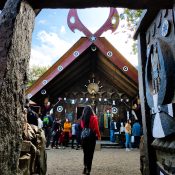
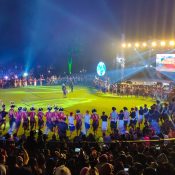
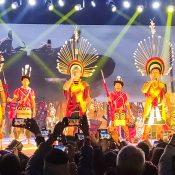

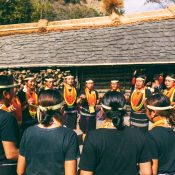

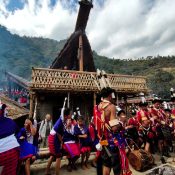
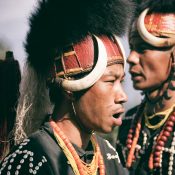
Some of the key attractions and events at the Hornbill Festival include:
- Traditional Dance and Music: Various Naga tribes perform traditional dances and music in their colorful and distinctive traditional attire. These performances are a highlight of the festival.
- Naga Morungs: Visit the Naga morungs (traditional tribal huts) to learn about the customs, traditions, and lifestyles of various Naga tribes.
- Visit Nearby Attractions: While in Kohima, take the opportunity to explore nearby attractions such as the War Cemetery, Kohima , Khonoma Village – This heritage Village showcases the rich history of early Angamis , Dzuleke – Eco Village and many more .
- Go on a trek : The Dzukou Valley trek is one of the best short treks in the Northeast . The trekking point is about 20 k.m. from Kohima city and 10 km from the Kisama Hetritage village ; Hornbill Festival venue .
- Arts and Crafts: The festival features a display of Naga arts and crafts, including wood carvings, handwoven textiles, jewelry, and other handmade items.
- Food Stalls: Visitors can enjoy Naga cuisine, which includes a variety of local dishes prepared using indigenous ingredients. Bamboo shoots, smoked meats, and chutneys are some of the specialties.
- Indigenous Games: Traditional Naga games and sports are organized during the festival, providing entertainment and promoting local athleticism.
- Musical Performances: Listen to local and regional musicians and bands performing various genres of music, both contemporary and traditional.
- Visit Nearby Attractions: While in Kohima, take the opportunity to explore nearby attractions such as the War Cemetery, Kohima , Khonoma Village – This heritage Village showcases the rich history of early Angamis , Dzuleke – Eco Village and many more .
- Competitions: Various competitions, such as traditional archery and wrestling, are held during the festival.

How to Reach & Venue
- By Air: The nearest airport is Dimapur Airport, and you can then travel by road to Kohima.
- By Train: The nearest railway station is in Dimapur as well. From Dimapur, you can hire a taxi or take a bus to Kohima.
- By Road: Kohima is well-connected by roads, and you can hire a taxi or take a bus from Dimapur or other nearby cities
- The festival is held at the Kisama Heritage Village, which is specially created for the event. The village represents a model Naga village with traditional huts and settings
- The festival takes place at the Kisama Heritage Village, which is around 12 km from Kohima.
.
Experience the Magic of Hornbill Festival with Exclusive Discounted Tour Packages
Are you ready for an unforgettable journey into the vibrant world of Nagaland’s Hornbill Festival? Discover the rich cultural heritage, traditions, and the warmth of the Naga people with our specially curated tour packages. What’s even more exciting? We’re thrilled to offer you exclusive discounts to make your festival experience even more affordable and enjoyable.
Camping ; If you want to immerse yourself fully in the festival, consider camping at Kisama in our Day Dream Nest Campsite.
Starting just at 1799.00/- with Meals 2days 1night ( BYOT- 699.00/-)
It’s a great way to experience the festival’s atmosphere up close.


